DevOps & DevSecOps
From git push to a secure, monitored production system.
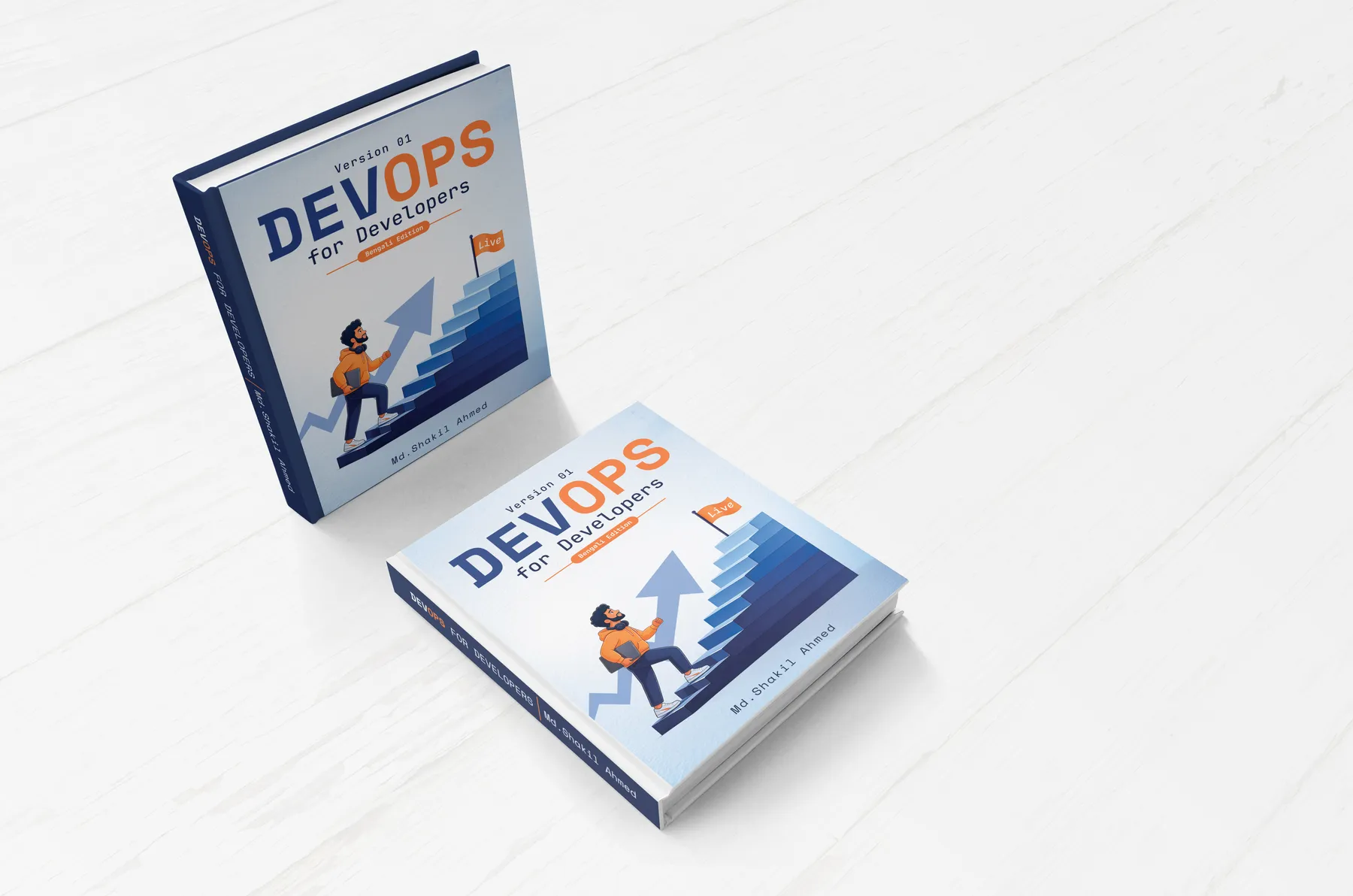
I started as a developer, so I learned DevOps by asking how code actually reaches production, scales, recovers and stays secure. I then wrote that journey into a 408-page book.
Delivery pipeline
A secure delivery pipeline
The reference pipeline I build and teach. Every release passes the same stages, and every stage has an automated security gate (DevSecOps “shift left”). Watch one release travel from commit to production.
01
Code
Git, GitHub, branch protection
Secret scanning (Gitleaks) and push protection
02
Build
Docker multi-stage, GitHub Actions
Dependency audit (npm audit, Dependabot)
03
Test
Automated tests in CI (npm ci, npm test)
Static analysis (Semgrep, CodeQL)
04
Scan
Image and IaC scanning
Trivy for images and Terraform
05
Release
Registry, versioned images
SBOM and image signing
06
Deploy
Terraform, Ansible, ArgoCD (GitOps), Kubernetes
Pod Security, NetworkPolicy, RBAC
07
Operate
Monitoring, logging, alerting, backups
Least privilege, patching, audit trail
code · secret scanning (gitleaks) and push protection ...
What I work with
Linux & server foundations
Terminal-first administration, permissions, sudo/chown, systemd services, Bash automation with cron, networking (DNS, TCP/IP, subnets, ports).
Server hardening
SSH key management, UFW firewall, changing the SSH port and Fail2ban, so a fresh server is safe before anything is deployed.
Containers & web servers
Optimised Dockerfiles with multi-stage builds, Docker Compose stacks (app, MongoDB, Redis), Nginx reverse proxy and automatic Let's Encrypt TLS renewal.
CI/CD pipelines
GitHub Actions and Jenkins pipelines that build, test and deploy on every push, with zero-touch automation and tests running in CI.
Cloud & Infrastructure as Code
AWS networking, IAM and EKS defined in Terraform; Ansible for configuration; repeatable infrastructure instead of manual console clicks.
Kubernetes & GitOps
Deploying to Kubernetes (EKS) and managing releases through Git with ArgoCD, plus databases, backups, domains and CDN.
Monitoring & reliability
Metrics, logs and alerting to find production problems fast and recover from container or server failures.
DevSecOps
Security shifted left into the pipeline: secrets, dependencies, code, containers and Kubernetes, with a complete security.yml workflow and actions pinned to commit SHAs.
DevSecOps checklist
Security as part of delivery, not an afterthought.
- No secrets in Git: scanning plus push protection
- Dependencies audited and updated automatically
- Static code analysis on every pull request
- Minimal, non-root container images scanned before release
- Infrastructure code scanned before it is applied
- Third-party CI actions pinned to a commit SHA (supply-chain security)
- Kubernetes securityContext, Pod Security, NetworkPolicy and RBAC
- SBOM generated and images signed
In practice
Proven on real products.
I build, deploy and operate my own products: ChatAllTime (AI chat SaaS), ZincLoop Commerce and TripSip. The final chapters of my book walk through a real SaaS deployment using the same ideas: containers, CI/CD, AWS with Terraform, Kubernetes and monitoring.
Engagements
CI/CD setup
Automated build, test and deploy from your repository.
Docker & AWS deployment
Containerise, deploy and put it behind Nginx with TLS.
Terraform / Kubernetes
Repeatable cloud infrastructure and EKS clusters.
DevSecOps review
Add security scanning and hardening to your pipeline.